Friday, October 24, 2025

Via Dhamma Wheel | Right Living: Abstaining from Intoxication


TRICYCLE      COURSE CATALOG      SUPPORT      DONATE
RIGHT LIVING
Undertaking the Commitment to Abstain from Intoxication
Intoxication is unhealthy. Refraining from intoxication is healthy. (MN 9) What are the imperfections that defile the mind? Negligence is an imperfection that defiles the mind. Knowing that negligence is an imperfection that defiles the mind, a person abandons it. (MN 7) One practices thus: “Others may become negligent by intoxication, but I will abstain from the negligence of intoxication.” (MN 8)

When I look on with equanimity, some particular sources of suffering fade away in me; thus that suffering is exhausted. (MN 101)
Reflection
We saw last month how some sources of suffering diminish with effort. Now we hear that other sources of suffering are resolved when we simply look upon them with equanimity. In other words, some things are better handled by not striving to change them overtly but simply by changing your relationship to what is happening. Desire can be a form of intoxication, and equanimity can transform negligence into clarity.
Daily Practice
Knowing when to step forward to try to change things with effort and when to step back and allow them to change by natural processes is a skill to be learned and a practice to be developed. Never underestimate the transformative power of equanimity. Sometimes it is our own desires, our wanting and not wanting, that cause problems; in such cases learning to look on with equanimity can make all the difference. 
Tomorrow: Maintaining Arisen Healthy States
One week from today: Abstaining from Harming Living Beings

Share your thoughts and join the conversation on social media
#DhammaWheel

Questions?
 Visit the Dhamma Wheel orientation page.
Tricycle is a nonprofit and relies on your support to keep its wheels turning.
© 2025 Tricycle Foundation
89 5th Ave, New York, NY 10003

Thursday, October 23, 2025

Via FB -- Mass Blackout


Via FB


Via FB


Via FB


Via FB


Via Daily Dharma: The Freedom We Seek


Browse our online courses »
The Freedom We Seek

The freedom we are all seeking is freedom from the fear of losing what we believe we own.

Toinette Lippe, “Between Eternities” 


CLICK HERE TO READ THE ARTICLE

Birth and Death in Every Moment
By Thich Nhat Hanh
The late Zen master explores recognizing our true nature and touching the ultimate. 
Read more »

Via Dhamma Wheel | Right Action: Reflecting upon Social Action


TRICYCLE      COURSE CATALOG      SUPPORT      DONATE
RIGHT ACTION
Reflecting Upon Social Action
However the seed is planted, in that way the fruit is gathered. Good things come from doing good deeds; bad things come from doing bad deeds. (SN 11.10) What is the purpose of a mirror? For the purpose of reflection. So too social action is to be done with repeated reflection. (MN 61)

A person is content with any lodging places they may get, speaks in praise of such contentment, and does not try to obtain these things in improper or unsuitable ways. Not getting these things, one does not worry, and getting them, one makes use of them without being greedy, obsessed, or infatuated, observing such potential dangers and wisely being aware of how to escape them. (AN 4.28)
Reflection
Just as you can practice contentment by appreciating whatever you eat or wear, so too can you take this approach to where and how you live. For monks and nuns, who in the early days wandered from place to place, this meant adjusting to a different lodging situation almost every night. The practice of feeling content wherever you are can be extended to laypeople as well. Contentment is a mental state that can be cultivated.
Daily Practice
It is not difficult to find the flaws in any situation. However, this leads to discontent, which is a state of mind conducive to suffering. Practice instead finding the benefits of things in your life, such as your living situation. It could always be worse. There is always something in any situation that can be noticed, raised in awareness, and appreciated. Practice doing this whenever you can; contentment contributes to your well-being.
Tomorrow: Abstaining from Intoxication
One week from today: Reflecting upon Bodily Action


Share your thoughts and join the conversation on social media
#DhammaWheel

Questions?
 Visit the Dhamma Wheel orientation page.
Tricycle is a nonprofit and relies on your support to keep its wheels turning.
© 2025 Tricycle Foundation
89 5th Ave, New York, NY 10003

Wednesday, October 22, 2025

The Story Project - Amma Thanasanti

Via FB


Via FB


Via FB


Via FB


Via FB


Via FB


Via Daily Dharma: The Perfect Guide


Browse our online courses »
The Perfect Guide

When we investigate, either through our own analysis of his teachings or the fact that countless practitioners have been led from suffering to full enlightenment using his guidance, we will see that the Buddha is the perfect guide.

Lama Zopa Rinpoche, “The Continuity of Consciousness”


CLICK HERE TO READ THE ARTICLE

The Art of Mindfulness
By Shantum Seth
A dharma teacher and pilgrimage leader recounts his first time visiting India's historic Buddhist sites with the late Thich Nhat Hanh.
Read more »

Via Dhamma Wheel | Right Speech: Refraining from Frivolous Speech


RIGHT SPEECH
Refraining from Frivolous Speech
Frivolous speech is unhealthy. Refraining from frivolous speech is healthy. (MN 9) Abandoning frivolous speech, one refrains from frivolous speech. One speaks at the right time, speaks only what is fact, and speaks about what is good. One speaks what is worthy of being overheard, words that are reasonable, moderate, and beneficial. (DN 1) One practices thus: “Others may speak frivolously, but I shall abstain from frivolous speech.” (MN 8)

A person should examine things in such a way that while examining them their consciousness is not stuck internally, and not clinging, they do not become agitated. Then there is no origination of suffering. (MN 138)
Reflection
Suffering arises when consciousness gets stuck internally. That is to say, the mind gets attached to the things flowing through it and cannot let go of one thing to allow the next thing to arise. This can happen a lot when we are communicating. How often do you appear to be listening to someone when in fact you are rehearsing what you are going to say next? Right speech requires unsticking the mind from its internal clinging.
Daily Practice
Encourage your mind to work like Teflon, encountering everything but not getting attached or stuck to the objects it becomes aware of. This requires listening to a person speak, for example, without grabbing hold of a particular word or phrase but remaining open to everything that is said. Stay focused on what is happening in the present moment and respond appropriately, without projecting your own internal attachments.
Tomorrow: Reflecting upon Social Action
One week from today: Refraining from False Speech

Share your thoughts and join the conversation on social media
#DhammaWheel

Questions?
 Visit the Dhamma Wheel orientation page.
Tricycle is a nonprofit and relies on your support to keep its wheels turning.
© 2025 Tricycle Foundation
89 5th Ave, New York, NY 10003

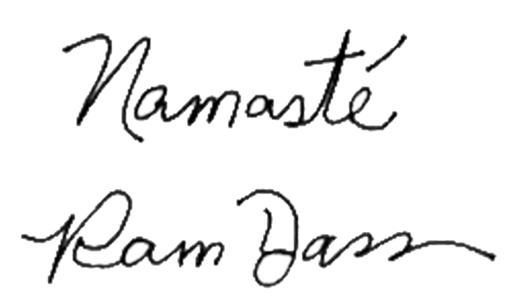
Via Ram Dass - Love Serve Remember Foundation --- Words of Wisdom - October 22, 2025 🍁


"If we are to help heal the world, we need to remember that it is a sacred place. Our actions need to be positive statements, reminders that even in the worst times there is a world worth struggling for. We need to find ways to keep the vision alive, to acknowledge but not get caught in the dark side, to remember that even the worst aspects of suffering are only part of the whole picture. We need to enter lightly. "
 
- Ram Dass