A personal blog by a graying (mostly Anglo with light African-American roots) gay left leaning liberal progressive married college-educated Buddhist Baha'i BBC/NPR-listening Professor Emeritus now following the Dharma in Minas Gerais, Brasil.
What we call “meditation” was natural to us during our evolution, as we sat around a fire in the quiet darkness, or lay on the ground looking up into the stars, or tried to make ourselves disappear so an animal would come near.
Tricycle Meditation Month 2026 Awakening with Zen Koans with Haemin Sunim
Start the new year exploring your true nature through Zen koan meditation with Tricycle’s free 31-day Meditation Month. When you sign up, you’ll get weekly video teachings, daily meditation prompts, and access to an online sangha for community support. Join today to start from day one.
Harsh speech is unhealthy. Refraining from harsh speech is healthy. (MN 9) Abandoning harsh speech, one refrains from harsh speech. One speaks words that are gentle, pleasing to the ear, and affectionate, words that go to the heart, are courteous, and are agreeable to many. (DN 1) One practices thus: "Others may speak harshly, but I shall abstain from harsh speech." (MN 8)
When one says: "All those engaged in the pursuit of the enjoyment of sensual pleasures have entered the wrong way," one thus disparages some. But when one says instead, "The pursuit of the enjoyment of sensual pleasures is a state beset by suffering, and it is the wrong way," then one is not disparaging anyone but simply stating the truth. (MN 139)
Reflection
Right speech does not mean always telling people what they want to hear. Often difficult truths need to be spoken, but there are skillful and unskillful ways of doing this. In this passage we are instructed on the implications of invoking the sense of self. Instead of disparaging others by using an agent noun ("They are such a liar"), simply speak the truth by pointing out their actions (“They have told a lie”) rather than rebuking the self.
Daily Practice
Practice critiquing the words or actions of a person rather than the person. Instead of calling a person rude, point out the rude thing they have said or done. It is a small but important distinction. Whenever people feel attacked, it brings out the tendency to counterattack. When their actions are called out instead, it leaves them room to change their behavior.
Tomorrow: Reflecting upon Mental Action One week from today: Refraining from Frivolous Speech
Share your thoughts and join the conversation on social media #DhammaWheel
What am I if I stop identifying with any object at all, whether it is nationality, race, religion, political ideology, or anything else? Whatever answer appears is simply another object in awareness. It cannot be what you are, because you are the one who is aware of the object.
Stay gently with this recognition. What remains when the mind no longer clings to anything that can be observed?
In a story about storage units and a fire evacuation, writer Christopher Rivas reflects on how things reinforce our sense of self and why we cling so tightly.
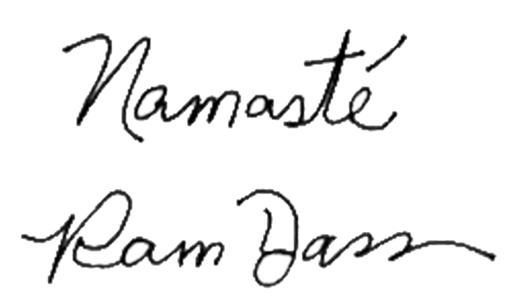
“...It’s the freedom of consciousness that hears the impeccable act that brings about the healing of the planet and all it’s people so that you are an instrument for the relief of suffering, even though at another level you can see that suffering is part of the nature of things. And the perfection is that we act to relieve the suffering while acknowledging that both the act and the suffering are part of one mosaic.”
Across recent blog reflections, I’ve returned to one central idea: Baha’u’llah’s meaning is not fixed, static, or singular, but unfolds according to the spiritual state of the reader.